
Catastrophic flooding and landslides struck communities in Nepal following a massive ice and rock avalanche…
Providing essential medical care and humanitarian relief, when and where it’s needed most.
Providing essential medical care and humanitarian relief, when and where it’s needed most.

Since 1992, we have responded to hurricanes, flooding, tornadoes, wildfires, earthquakes and humanitarian and health crises in the United States and around the world.
Our responses include shipping hygiene kits, medical supplies and aid, deploying staff and medical volunteers, equipping and sending portable container clinics, and supporting existing clinics.


On June 24, 2026, two powerful earthquakes struck northern Venezuela.

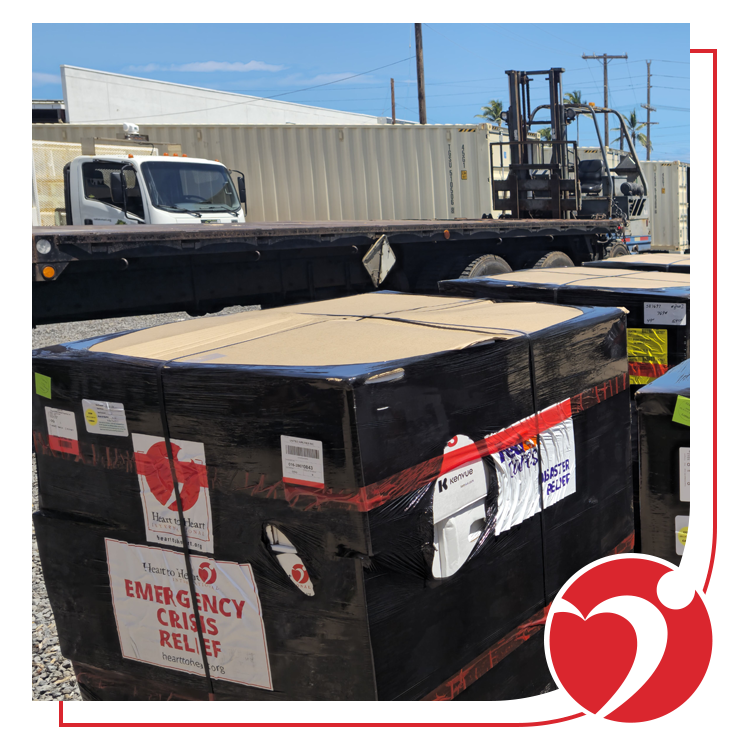
We deployed our Emergency Medical Team and shipments of critical medical aid to provide essential care to those impacted by Hurricane Melissa.
Read More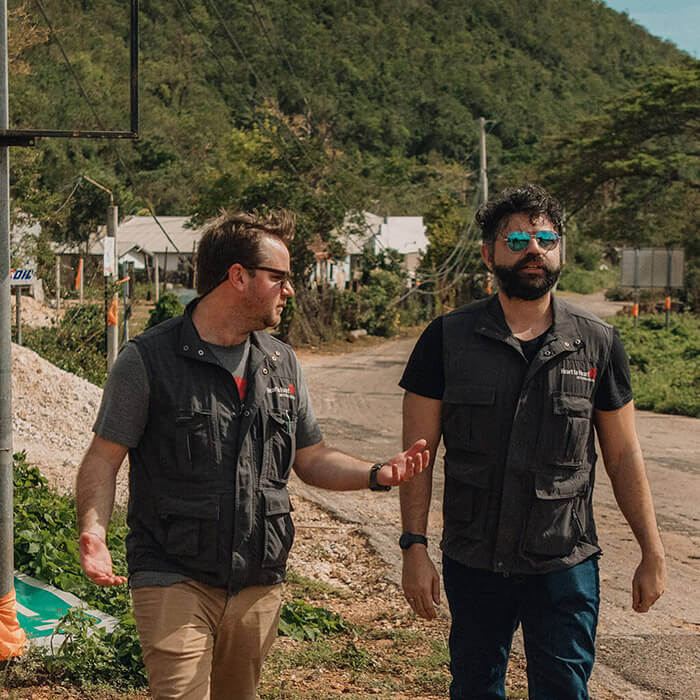
We deployed our Emergency Medical Team and shipments of critical medical aid to provide essential care to those impacted by Hurricane Melissa.
Read More
Heart to Heart International has been actively involved in Ukraine relief efforts, providing substantial aid to support the health and well-being of those affected by the ongoing conflict.
Read More
We are committed to providing urgent Texas flood relief and supporting the long road to recovery. Our Disaster Response Team is working closely with local clinics, organizations, and partner nonprofits in Texas to assess unmet health needs.
Read More
A catastrophic 7.7-magnitude earthquake struck Myanmar on March 28, causing widespread devastation and claiming over 2,700 lives so far. In response, Heart to Heart International is mobilizing to address the immense needs of survivors.
Read More
Since March 14, devastating tornadoes, high winds, and wildfires have swept across the Southern Plains, leaving at least 40 people dead and thousands more are left grappling with the destruction of their homes and communities.
Read More
Heart to Heart International is Providing Urgent Relief to Communities Affected by the Fires in California. Be part of the solution. Your donation delivers relief to the heart of the disaster zone.
Read More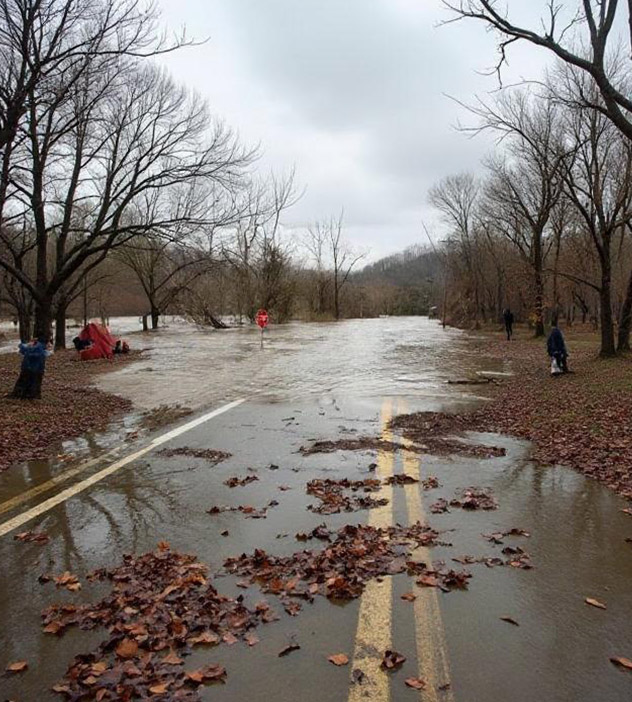
Hurricane Helene wreaked havoc across the Southeastern United States, leaving a trail of devastation in its wake.
Read More
We are one of only four organizations in the United States to achieve the World Health Organization’s (WHO) certification as an Emergency Medical Team (EMT) Type 1 Mobile. To obtain this certification, we had to undergo rigorous evaluation by a panel of experts from the WHO to demonstrate our disaster response team’s ability to conduct assessment and triage, treatment, and provide medicine to 50 patients a day in austere settings in a fully self-sufficient manner.

The Emergency Medical Team initiative was created after the 2010 Haiti earthquake, and propelled the publication of minimum standards for foreign medical teams in sudden onset disasters in 2013. Health services provided in emergency response should be safe, people-centered, timely, equitable, integrated and efficient. The goal is improved coordination mechanisms and health outcomes for beneficiary populations.

HHI achieved its verification by the World Health Organization (WHO) as an EMT Type 1 Mobile in 2023. To be verified, a team must be operational in the field within 72 hours of a disaster, have a clinic which can be dismantled and moved daily, must be able to care for at least 50 patients per day for at least 14 days initially, including providing all necessary medications and supplies, and must be completely self-sufficient: food, power, potable water, and waste management. It also provides daylight-hours care for stabilization of acute trauma and nontrauma presentations, referrals for further investigation or inpatient care and community-based primary care with the ability to work in multiple locations over the deployment period.

Even prior to full verification by the WHO, HHI has been sending Emergency Medical Teams around the United States and across the globe to provide medical assistance and aid after natural disasters and humanitarian crises for over a decade.

We maintain a highly trained roster of volunteer physicians, nurses, drivers, and logistics and administrative support professionals who make up our deployable Emergency Medical Team. Becoming part of this team requires thorough preparation, including a full background and license check, an interview process, and completion of a week-long virtual workshop. Volunteers also receive access to specialized focal point training sessions and ongoing development opportunities, ensuring they are fully equipped to respond effectively when disaster strikes.


Donations of critically needed medicines and medical supplies are indispensable to our disaster response. These empower our disaster response team to mobilize rapidly, ensuring that vital emergency assistance and disaster relief supplies reach affected communities immediately. It also allows us to provide disaster assistance to areas of conflict and war when a volunteer medical team is not deployable.
Medical Care Where It’s Needed Most. Our retrofitted 20-foot shipping containers serve as robust, ready-to-deploy medical facilities in disaster areas. These portable clinics are crucial for providing medical relief efforts regardless of damaged local infrastructure, especially when existing clinics are down or hospitals are overwhelmed during a disaster response.
Clinic Specifications:
Built from sturdy steel, designed to withstand extreme weather.
Can be shipped globally and moved on-site by tow truck, crane, forklift, or helicopter.
Interior floor plans emphasize efficient workspace with strong walls for mounting medical equipment.
Well-insulated with heating and cooling for a temperature-controlled environment.
Materials meet or exceed EU and U.S. health code standards.
Flexible installation on foundation or blocks, connect to utilities or operate self-contained.
Exterior size is roughly equivalent to three parking spaces.
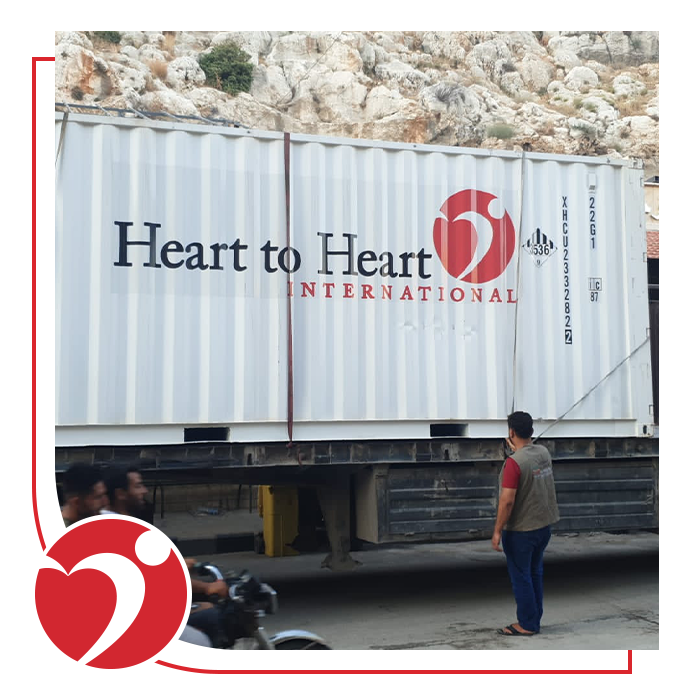
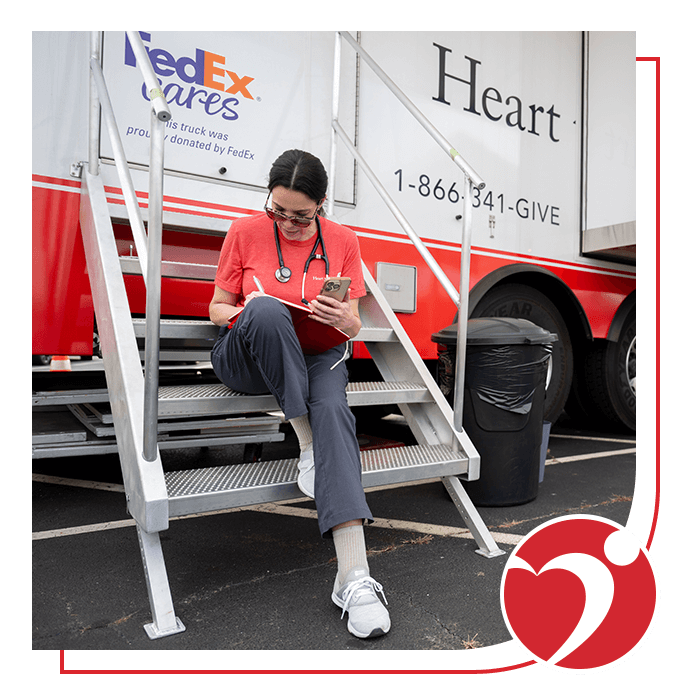
To deliver effective emergency assistance and support community health events, we maintain a custom fleet deployed across the contiguous United States. This fleet is a core asset for our disaster response team in providing timely disaster relief.
Mobile Medical Unit (MMU): Our 45-foot MMU ensures accessible care with features like a wheelchair lift. It’s equipped with two treatment rooms, pharmacy, and counseling areas, facilitating efficient on-site medical exams and treatment during a disaster response.
Mobile Medical Van: This 2021 mobile clinic van serves individual patients and is crucial for reaching difficult areas inaccessible to the larger MMU. It can be deployed together with the MMU to broaden our reach for disaster assistance.
Disaster Response Trailer: A versatile 2019 unit, this trailer supports our emergency disaster relief efforts, usable for health services or administrative tasks. It boasts flexible power options, including solar and battery, for sustained operations.
Connect with our Disaster Response Team about the fleet: DRT@hearttoheart.org.
Due to our warehouse capacity, we can deploy our disaster response team rapidly with a fully stocked pharmacy to provide critical emergency assistance. We are a licensed pharmaceutical wholesaler with an 83,000-square-foot warehouse in Lenexa, KS. It also includes 320 square feet of walk-in cold chain storage. In 2024 alone, we shipped nearly $400 million of products to 30 countries and 34 U.S. States and Territories.


The effectiveness of our disaster response team relies heavily on our equipment capabilities. We maintain specialized gear and supplies necessary to support disaster relief operations and deliver critical emergency assistance quickly during times of crisis and disasters.


When healthcare systems are overwhelmed by disasters, conflict, or disease outbreaks, timely medical support can save lives. We work alongside local partners to deliver essential medicines, supplies, and healthcare where it is needed most. Learn more about how we’re responding to healthcare crises worldwide.

Providing emergency assistance after Hurricane Helene brought us face-to-face with amazing people, including an 89-year-old retired nurse. She was injured but so incredibly grateful for the comfort and healing our disaster response team offered. Her remarkable resilience and joyful spirit left a lasting, inspiring impression on everyone involved in our disaster assistance.

During our Hurricane Dorian disaster response, we encountered incredible resilience. Mimi and her dog, Beauregard, arrived at our clinic after their houseboat sank, having endured a harrowing escape. They didn’t just seek disaster assistance; they offered help. Mimi and Beauregard stayed with our disaster response team daily, dedicating their time to sorting incoming disaster relief donations of medicines and supplies. We were truly proud to have them alongside us as part of the HHI family during the disaster response.
Our disaster response team deployed mobile medical units following Hurricane Ian to offer vital emergency assistance. We treated many, including Teodoro Castillo, who was injured by a chainsaw during cleanup. He recounted the terrifying storm and his gratitude for his family’s safety, admitting he learned a hard lesson about riding out hurricanes. Teodoro’s story is just one example of the essential disaster relief our medical teams provide when communities are hurting.

Director of Disaster Response
JP leads our Disaster Response program, where he oversees emergency operations delivering vital medical aid, hygiene kits, and deployable medical teams to communities in crisis. With more than a decade of experience in humanitarian aid, he has led responses in over a dozen crisis-affected countries, including Türkiye, the Bahamas, Chad, Mozambique, and Bangladesh. Prior to joining HHI, JP served in field leadership roles with ShelterBox and Americares, where he coordinated disaster relief efforts across complex emergencies worldwide. He holds a Master of Science in International Development and Humanitarian Emergencies from the London School of Economics, as well as dual bachelor’s degrees in Homeland Security/Emergency Management and Global Supply Chain Management from Eastern Kentucky University.
a. A DRT member must exemplify the following characteristics:
b. For position specific requirements please see volunteer job description.
Once the application and supplemental paperwork has been submitted, selected candidates will receive notification for an interview. Each month HHI staff meet to review all interviewed applicants to determine if candidates meet DRT qualifications. An HHI representative will then reach out to inform applicants of the decision. Acceptance at this point will be pending submission and approval of remaining paperwork and completion of DRT Workshop.
Timing varies depending on the time taken to submit supplemental paperwork and the availability of HHI staff to interview and review applicants. The process takes longer during disasters as HHI staff are deployed to the field. During times when HHI is not responding to disaster this process can be completed in 2 weeks, during an active disaster response this process could take 2 months.
The amount varies from year to year depending on the number of disasters that strike. On average HHI has deployed four to six times a year.
When disaster strikes HHI staff meet to discuss the variables to determine the level at which HHI will respond. If the decision to respond with a medical team is made, HHI will then assemble an advance team. Following the assembly of the advance team DRT members will receive a notification via email. This notification contains information on HHI’s decision to deploy, deployment details and an availability survey. If a volunteer is willing and able to respond all this is required is an email with the signed pre-deployment assessment and completing the survey form. As HHI receives availability, members will be selected for the team based on a variety of variables such as experience, training, position, and travel. Once a member has been selected to deploy with HHI they will receive individual travel information and a situational brief.
Heart to Heart understands that each volunteer has obligations such as work, children, and vacations. We do not expect that each member of the DRT will be able to deploy at each disaster but do expect that each member will do their best to accommodate when able.
Deployments can last anywhere from one to three weeks depending on location of the disaster. Generally, at least one week of availability is required to deploy domestically and two weeks for an international response.
During deployment all food, lodging, and transportation is covered by Heart to Heart.
HHI always includes a packing list as part of the situation brief that deploying members receive. These items typically include comfortable clothing that can get dirty, are quick dry and light weight, shoes/boots that are comfortable to work long hours in uncommon work environments, and a raincoat/jacket.
For international responses, HHI will purchase medical liability insurance for the team. However, this policy does require that individuals have active liability insurance or, if retired, had active insurance until their date of retirement. For domestic responses, HHI relies upon the Volunteer Protection Act to cover volunteers. HHI still recommends that medical professionals carry their own liability insurance in addition to this.
Yes, as a member of the Disaster Response Team you must have personal health insurance.
Yes, we accept international applicants. However, there are a few things we like to make international applicants aware of before applying. In order to become a fully vetted volunteer it is required to attend a DRT workshop that we host in Kansas City, Missouri. HHI does not cover transportation costs to the workshop. Additionally, due to licensing requirements varying in each state and country, international volunteers do not always meet the requirements to deploy with HHI.