

Heart to Heart International’s KC Programs department transitions vaccination efforts into long-lasting support for KC…
Learn about outbreaks, safety actions, and how HHI responds with care and containment.
Learn about outbreaks, safety actions, and how HHI responds with care and containment.
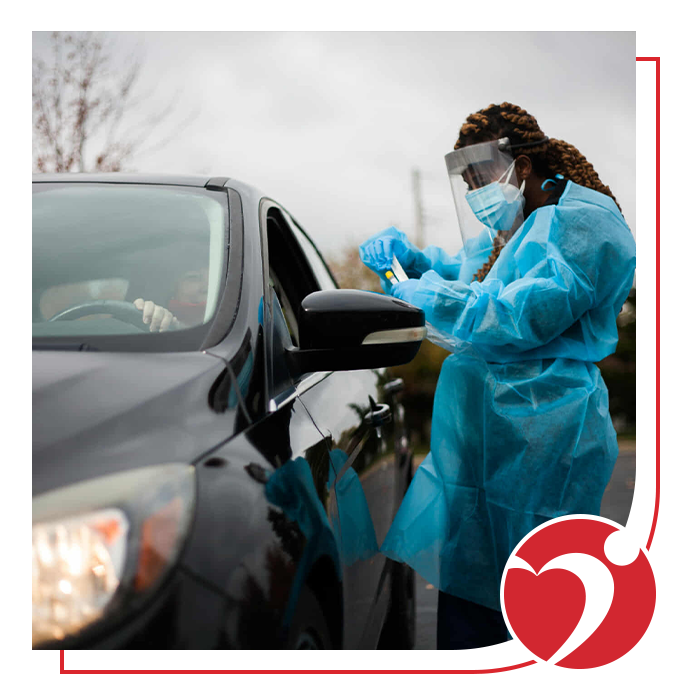
Disease outbreaks, from Zika and Ebola to cholera and COVID-19, can spread fast and devastate communities. We respond to disease outbreaks by providing medical aid, health supplies, PPE, hygiene kits, training and health education. Our teams work with local partners to support outbreak relief and protect at-risk populations.
Heart to Heart International is committed to delivering trusted, compassionate relief in times of disease outbreak, wherever and whenever it’s needed most. Together, we can reduce the spread, support recovery, and help communities heal.
A disease outbreak is when cases of a contagious disease rise quickly beyond expected levels. It can scale into epidemic or pandemic disease levels if it spreads widely. Examples include the Ebola outbreak in West Africa, the Zika virus in Haiti, and the global spread of COVID-19.
Infectious diseases spread through various modes of transmission: contact, respiratory droplets, contaminated food/water, insect bites, or environmental exposure. Some pathogens spread more rapidly. Understanding their spread helps shape effective outbreak response strategies.
Create a family preparedness plan with contacts, care options, and isolation space.
Keep vaccinations and routine medical checkups up to date.
Assemble an emergency kit with medicines, masks, hand sanitizer, and cleaning supplies.
Follow health alerts from the CDC or your local health department.
Limit contact with sick individuals and practice frequent handwashing.
Most contagious diseases spread through close contact or airborne exposure.
During an outbreak, hand-washing and surface cleaning reduce risk.
Stay updated via public health alerts and avoid crowded areas if infection spreads.
Use protective gear like masks and gloves when advised and follow medical guidance instead of rumors.
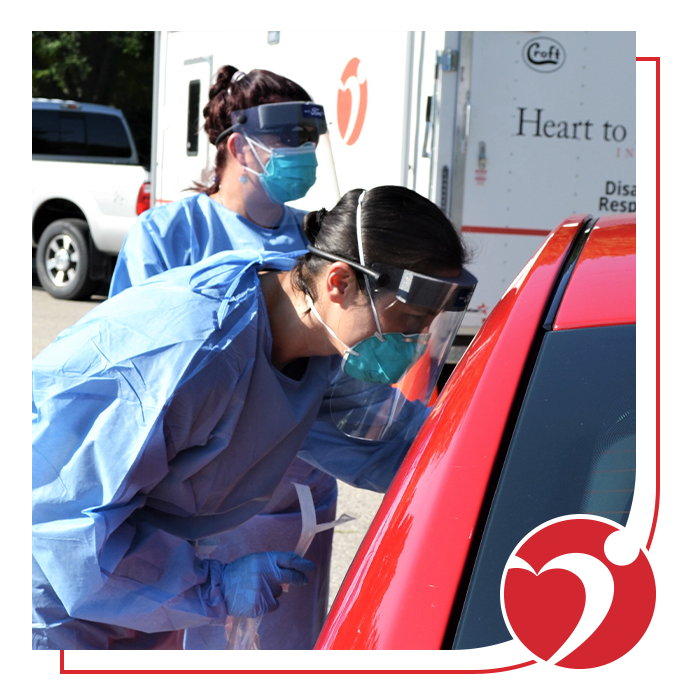
Being ready for a disease outbreak can save lives. A strong plan includes:
Staying informed on threats of disease spread.
Having basic medical supplies and hygiene kits.
Knowing early symptoms and seeking help promptly.
Social distancing and maintaining good hygiene during active disease outbreaks.
Supporting community health training and education.
Preparedness not only protects your household, it strengthens community resilience in the face of pandemic disease. For detailed guidance on diseases, visit Ready.gov’s page.

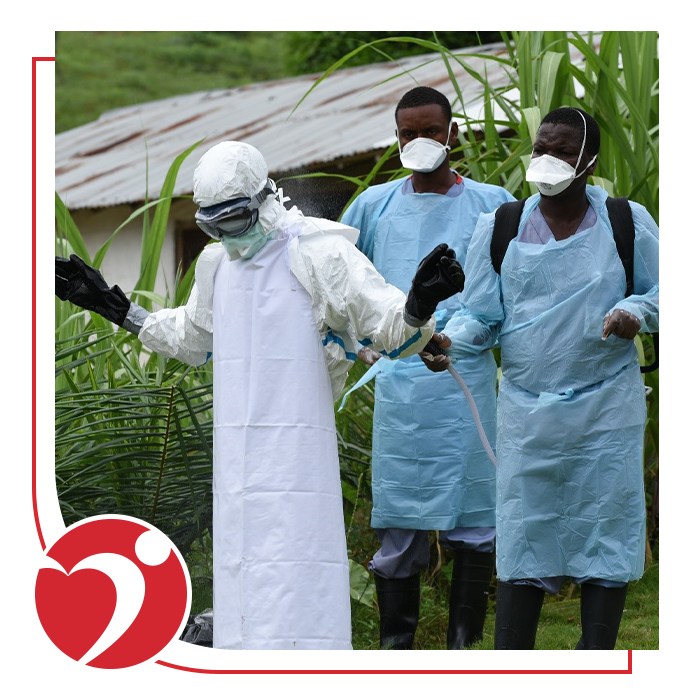
Disaster Responses: 4 major infectious disease outbreak responses, including global COVID-19 response and Ebola in Liberia.
Medical Aid Delivered: Over $7.8 million in medicines, PPE, hygiene kits and more.
Hygiene Kits Distributed: 150,000+ kits to support hygiene and infection control during pandemics.
Regions Served: USA, Papua New Guinea, Marshall Islands, Liberia, Haiti, and more.
Rapid Mobilization: Expert medical and logistics teams deployed quickly to set up safe health protocols and treatment support.
During infectious disease outbreak responses, we can deliver:
Hygiene kits with soap, shampoo, toothbrushes, and other essentials
First aid and medical supplies for individuals and shelters
Sustainable health services for ongoing community support
Volunteer medical teams for urgent disaster relief
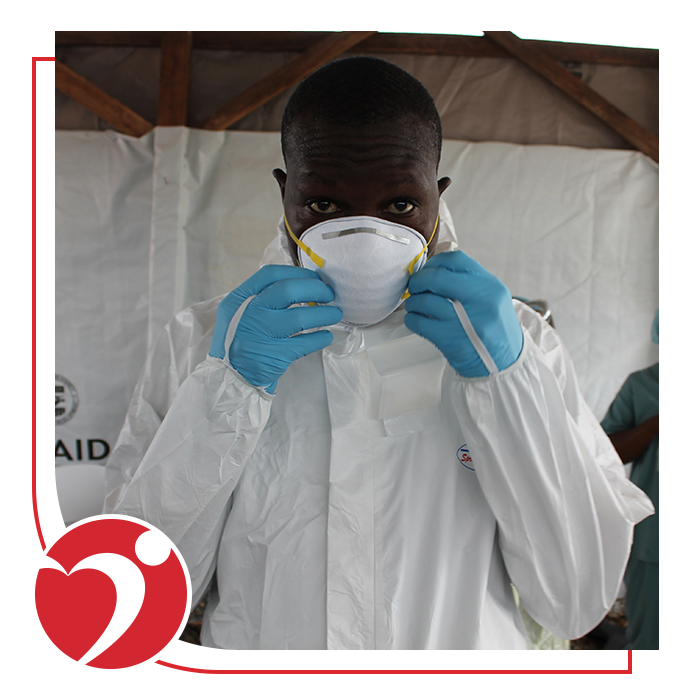
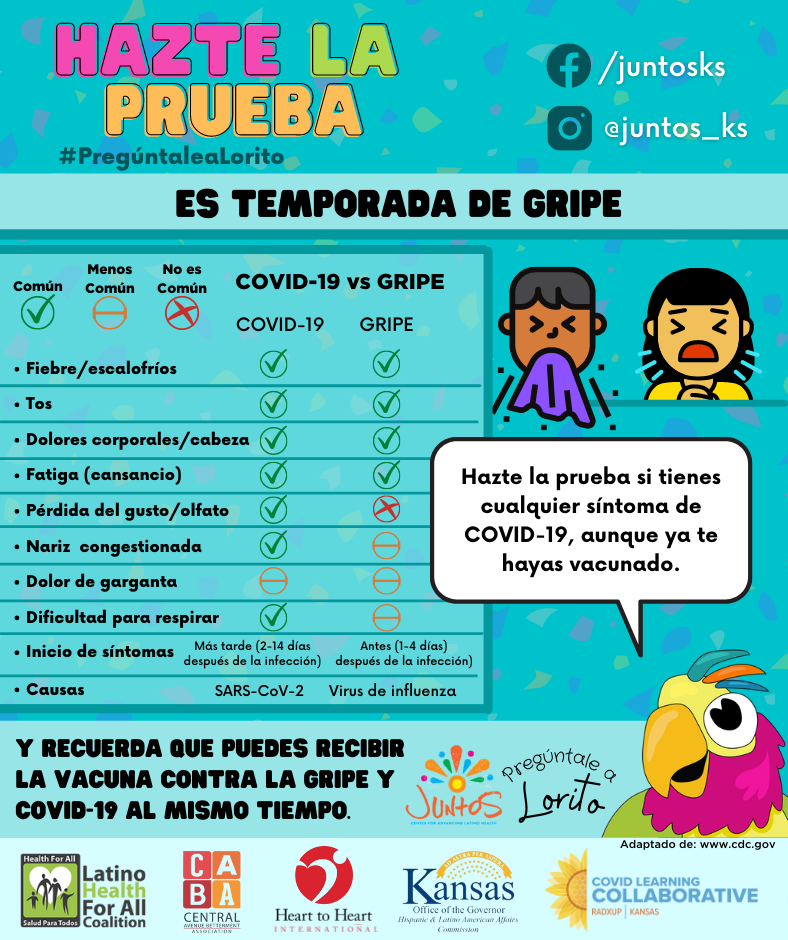


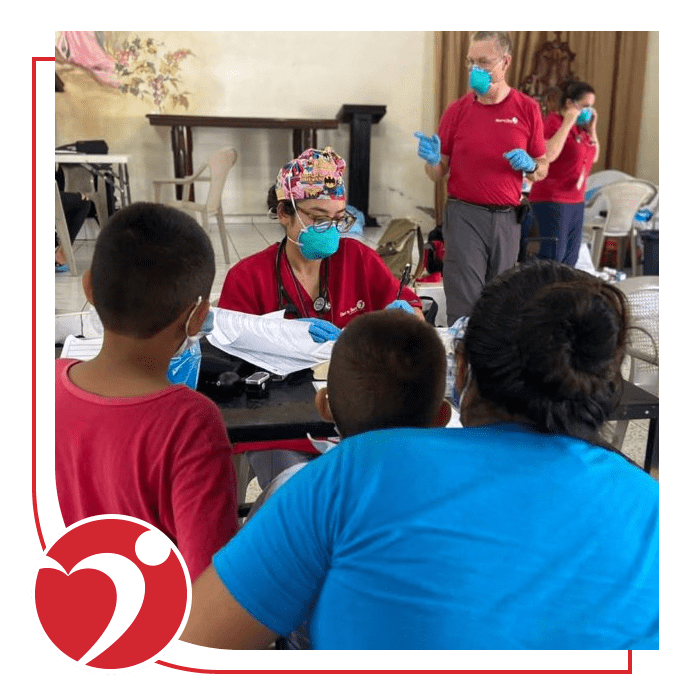
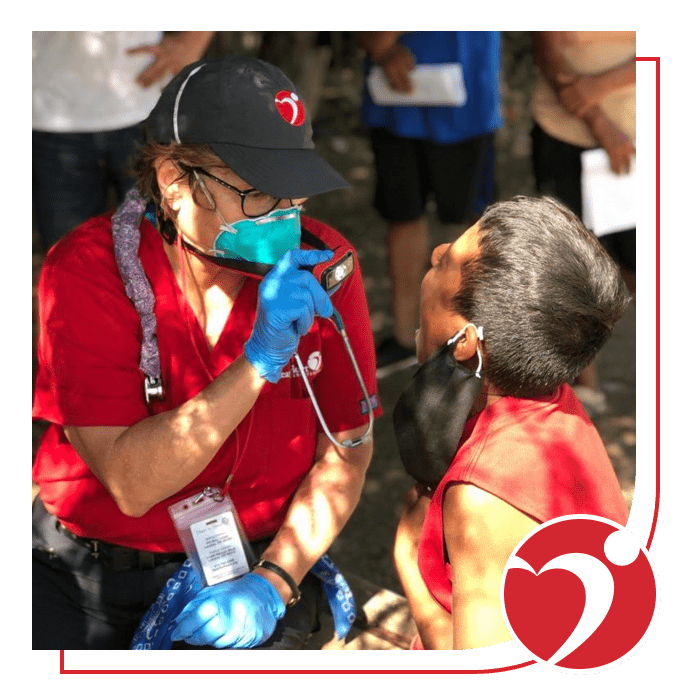
We deployed volunteer medical teams to conduct COVID 19 training, along with critical medical supplies and hygiene kits.
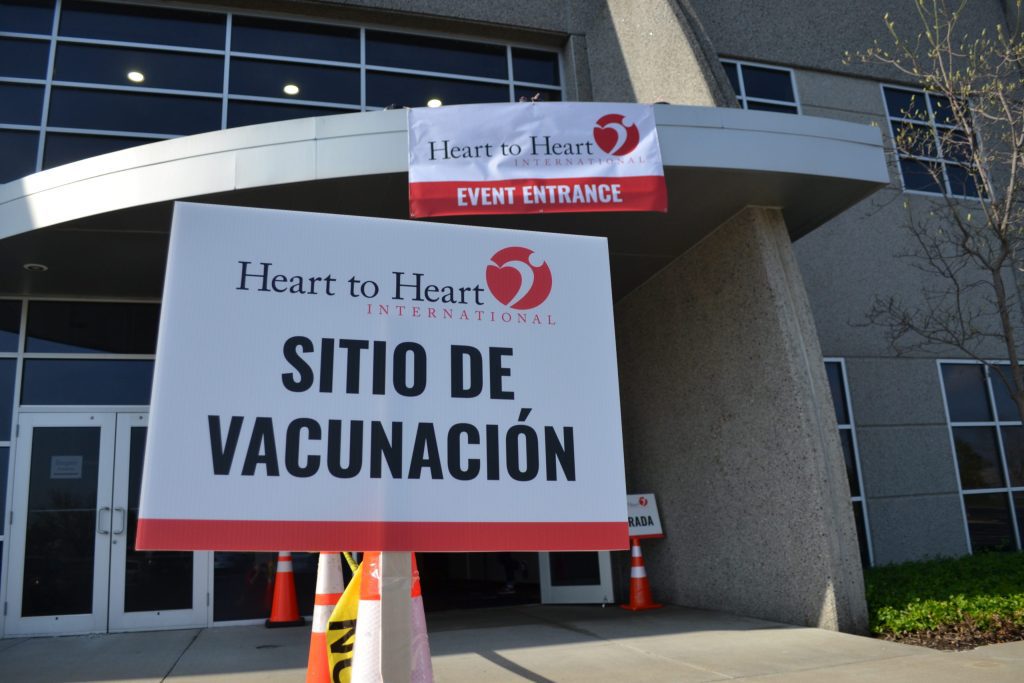
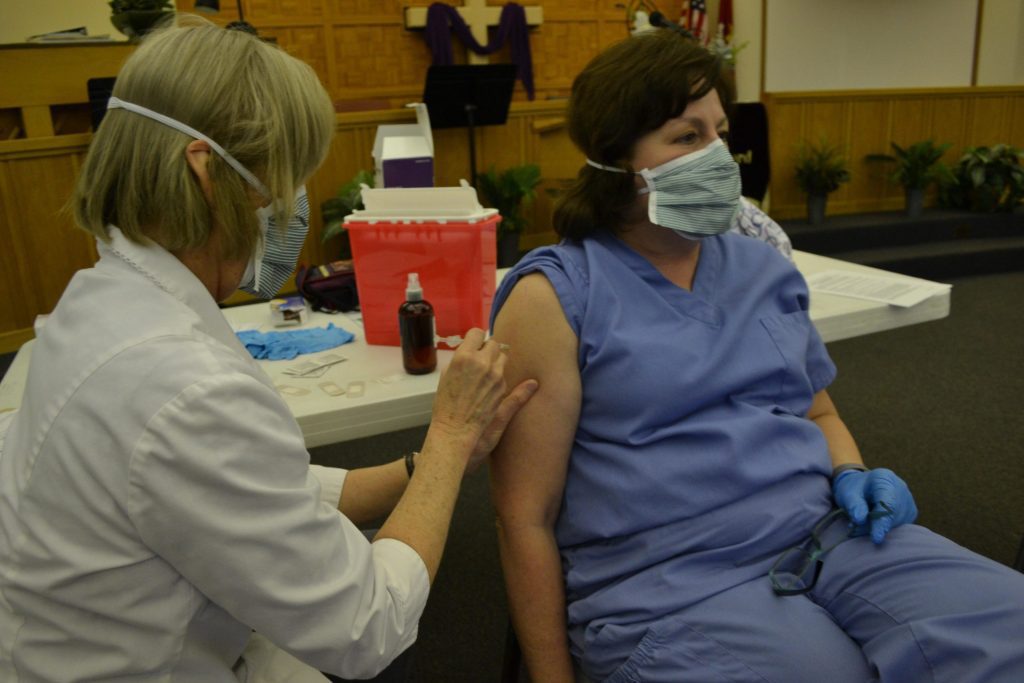
What this organization is doing for people in the US and all over the world is nothing short of amazing. Spending a few hours to volunteer was a great experience and I would definitely encourage everyone to find time to contribute!

I volunteer, along with others, who have a common goal. To help and support the staff as they organize then head out across the globe with hygiene kits, medicines and mobile clinics. When a request comes in for help from HHI, staff is ready and willing to help but it also takes many volunteers and donations to support this goal.
Great organization helping folks in the USA and wherever needed around the world.
I read a lot of news every day because I want to know what is going on around me and in the world. Being aware of the many disasters and injustices can feel like a huge burden to carry. Volunteering at Heart to Heart gives me the sense that I am helping in a small way and I’m not just involved with my own stuff.
As I’m aging, I realized how blessed I’ve been in so many ways. In my younger years, I worked a lot with the homeless community. As I’m aging I wanted to still give back to my community but do it closer to my home. I volunteered at Heart to Heart with a church group and decided I liked their mission. I’m just one person, but uniting with a group like Heart to Heart I can do so much more.
I feel so privileged to be able to help anyone in need. I’ve learned so much from people who are humbled by life’s struggles. As one person told me, “we’re all just one disaster from homelessness.” Every person should volunteer at least once in their life.
I love to provide quality time in service. Service is at the core of my being. My parents taught me when I was a child to never stop serving and loving people.
Volunteering helps me to feel that I am moving forward in a positive way and that my contribution has some purpose especially in these times of great hardship and suffering for so many people.
I love being able to do something for others especially in a real time of need. Serving fills my cup and blesses my heart. It never ceases to amaze me that in the middle of all the tragedy, those we serve always thank us for being there.
Volunteering reminds me that healing doesn’t always come in big moments; it often shows up in simple acts of kindness, shared humanity, and showing up for people when they feel forgotten. That’s why I’m proud to serve.
I volunteer with Heart to Heart in order to “pay back” for what I have received in that “giving in need” chain. Having been on the receiving end of a disaster, I know what it means to get that package of immediate needs, and am so, so thankful for those that make that happen. Just my small part in my volunteer journey to “give back”.
In October 2024 I was deployed with Heart to Heart to North Carolina following Hurricane Helene. On our last day there we were able to help a young woman by refilling her prescription medication that she had been unable to get. As I was saying goodbye, she told me that she was grateful we could help her as it was one less thing she had to do following this disaster. She was tearful and we gave each other a hug. It reminded me that even this small service can have a very positive impact on a person’s life.
Despite being a physician used to heal and help others, volunteering and helping people in very vulnerable situations has been extremely rewarding. Their appreciation and resilience in face of tremendous adversity is grounding and inspiring.
I volunteer with HHI because I believe in the organization’s founding principle of bringing volunteers together to serve a world in need.
My family has been on the receiving end for Hygiene Kits after natural disasters (major flood in Great Bend, KS and F4 tornado in Hoisington, KS). I know exactly how it feels to receive a Hygiene Kit when your personal items are gone. I am grateful, HHI gives me the opportunity to pay if forward!
Having lost all our possessions/home in a tornado, I have great empathy/sympathy for those thrust into disaster/loss. I was on the receiving side of immediate care and food, housing, and resources. I feel so privileged to be able to help anyone in need.
I hope the small amount I am able to give in some way improves the lives of those less fortunate. Your boots on the ground and the hygiene kits let others know we do care.
By helping to pack hygiene kits, or providing money to help purchase items for the kits or other needed products, my small donation can have a large impact for those who need the help.

Medical testing plays a vital role in delivering effective healthcare services. However, remote communities in Ghana face significant challenges due to limited access to laboratory diagnostics. To address this issue, Heart to Heart International has partnered with BD, a global leader in medical technology, and Millennium Promise, a nonprofit organization focused on disease diagnosis and prevention in Ghana. Our partners at Millennium Promise stated, ‘”The completion of the Laboratory Block marks a transformational step in healthcare delivery for the community.”
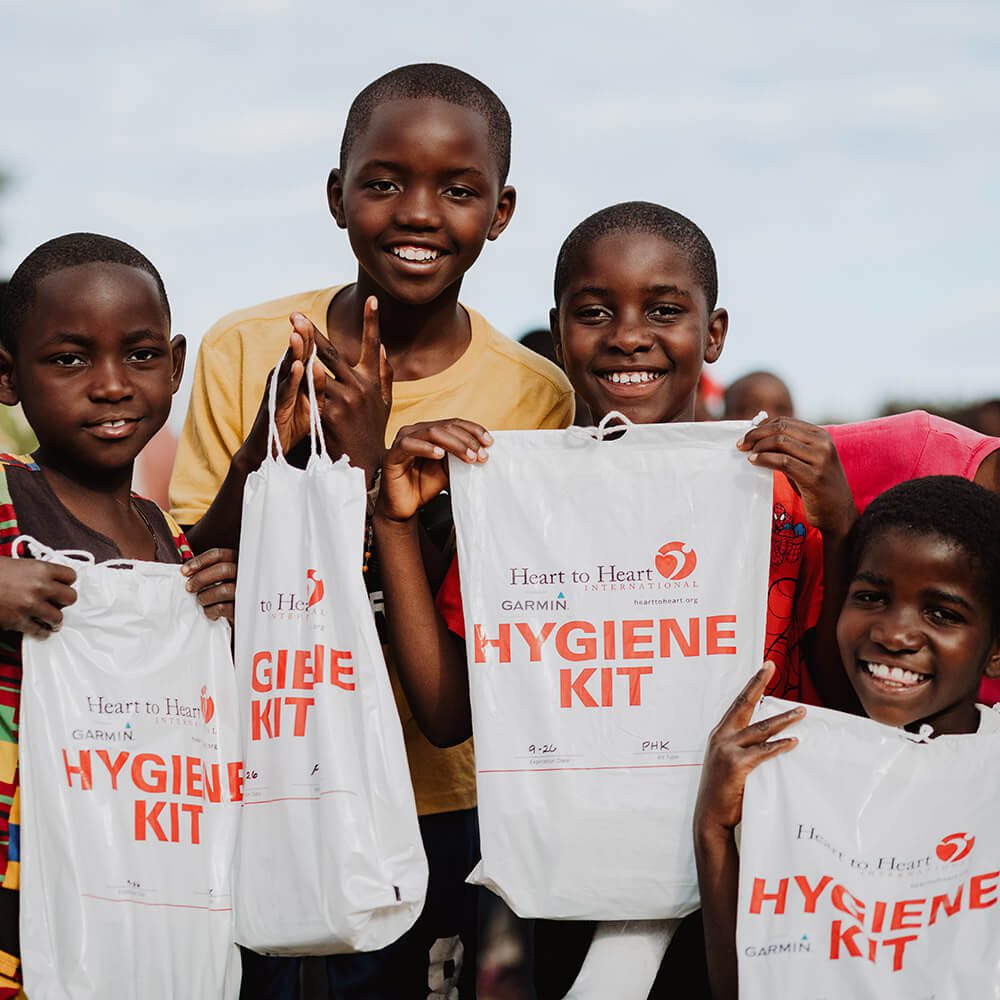
We distributed 8,000 Hygiene kits to 600 youth from the community. The items in the kits are considered a luxury to most of the community, (even basic soap and washcloth) so they were incredibly helpful in the aim to promote health and good hygiene for all of them. They were so happy! The health of these youth will be improved immensely! Every single recipient of the hygiene kits was so very grateful. One said to us “I can now feel good and keep clean, zikomo!”

Your loyalty helps us not to give up and gives us the feeling of a reliable shoulder to lean on.

Your donations of medicines and supplies sustain our clinic, supporting the most vulnerable children. Thank you!

If the only thing that was useful from your shipment was this wheelchair, it would’ve all been worth it because you changed this man’s life.” – Fundación Nueva Alegria in Dominican Republic

May I take this opportunity to thank the donors for saving my life. I was afraid I would die after the snake bite. The medical care was amazing.” – Tebenguni, a 15-year-old girl in Eswatini, who received life-saving care thanks to donated medical supplies.
An epidemic refers to the sudden increase in the number of cases of a disease above what is normally expected in a specific geographic area or population. It is typically localized, such as an outbreak of measles in a single city or region.
A pandemic, on the other hand, is an epidemic that has spread across multiple countries or continents, affecting a large number of people. Pandemics usually involve new viruses or infectious agents to which the global population has little or no immunity, leading to rapid and sustained human-to-human transmission.
For example, the 2014–2016 Ebola outbreak in West Africa was an epidemic, while COVID-19 is classified as a pandemic because it spread worldwide.
There are three main classifications of disease outbreaks:
A disease outbreak is identified through epidemiological surveillance, where health authorities track patterns of illness in a population. Key indicators of a potential outbreak include:
A sudden outbreak of disease, often called an acute outbreak, refers to the rapid emergence of numerous cases of a particular illness within a short time frame. This may be caused by factors such as contaminated food or water, introduction of a new pathogen, or environmental changes that favor the spread of disease.
These outbreaks require immediate investigation and response to contain the spread. For example, a norovirus outbreak on a cruise ship can infect hundreds of people within days if not controlled quickly.