

Our Hearts Are With Texas Our hearts go out to everyone impacted by the catastrophic…
From urgent relief to long-term recovery, we stand with communities affected by flooding disasters.
From urgent relief to long-term recovery, we stand with communities affected by flooding disasters.

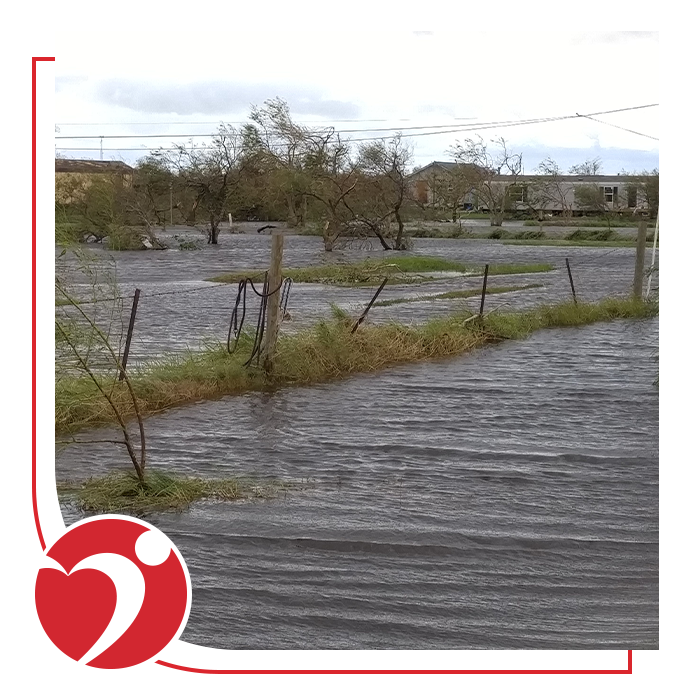
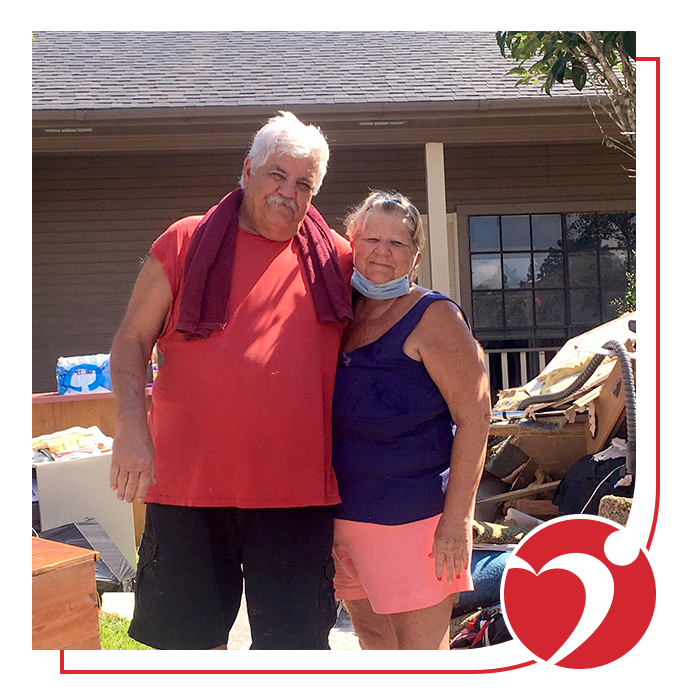
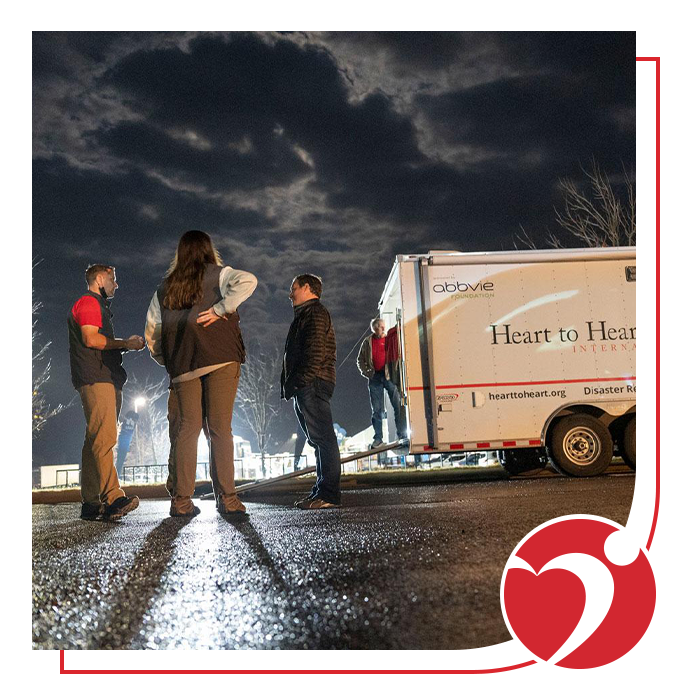
Flash floods strike suddenly and leave devastation in their wake. We deliver swift flood response, providing medicines, medical aid, and hygiene kits to affected communities. We coordinate with local partners to drive swift flood relief and support flood recovery, helping families restore safety and stability.
Heart to Heart International is committed to delivering trusted, compassionate flood relief wherever and whenever it’s needed most. Together, we can reduce harm, support flood recovery, and help communities heal.
Action Stage: Water levels are elevated. This is a warning sign for communities to monitor conditions closely and prepare for potential flood response.
Minor Flooding: Minimal or no property damage, but some public threat or inconvenience may occur. Low-lying roads or parks may be covered with water.
Moderate Flooding: Some homes, businesses, and roads near rivers or streams are inundated. Evacuations and moving property to higher ground may be necessary.
Major Flooding: Widespread inundation of structures and roads. Large-scale evacuations and significant flood relief efforts are required.
Record Flooding: Water levels meet or exceed the highest levels ever recorded for that location. This stage is rare but can cause catastrophic damage.
Make a flood evacuation plan for your household, including routes to higher ground.
Keep an emergency kit ready with food, water, first aid, flashlights, and batteries.
Move valuables, important documents, and electronics to higher shelves or floors.
Sign up for local weather alerts and monitor flood warnings regularly.
If authorities issue an evacuation order, leave immediately. Don’t wait for the water to rise.
Flash floods can develop in as little as 6 hours.
Heavy storms cause more floods than any other event in the U.S.
Never drive into flood water, even 6 inches can stall a vehicle.
Safety tips: Move to higher ground, avoid walking through floodwater, and never stay in low areas.

A flood preparedness plan is your best defense against the unpredictable and fast-moving nature of flash floods and other types of flooding. It outlines steps you and your family can take before, during, and after a flood to protect lives and reduce damage.
A strong plan includes:
Knowing your flood risk by checking local flood maps and past flood data.
Identifying safe evacuation routes to higher ground and pre-arranging meeting points.
Assembling an emergency kit with at least 3 days of food, water, medications, first aid, and essential supplies.
Protecting your home by elevating electrical systems, installing sump pumps, and sealing basement walls.
Practicing evacuation drills with all family members to ensure quick, safe responses.
Preparedness keeps your household safe and helps your entire community recover faster. For detailed guidance on floods, visit Ready.gov’s Flood Preparedness page.
Disaster Responses: 13 major flood relief missions worldwide.
Medical Aid Delivered: $670,000 in medicines, medical supplies, and equipment sent to disaster-affected communities.
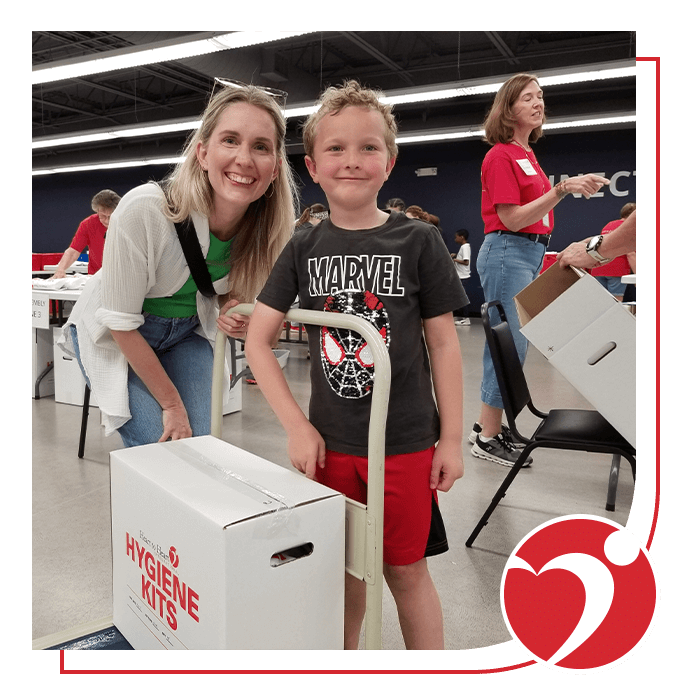
Hygiene Kits Distributed: 61,000 kits provided to help families stay healthy during flood recovery.
Countries & Regions Served: Including the U.S., Pakistan, and other flood-prone areas.
Volunteer Engagement: Teams of trained responders deployed for flood response and long-term recovery efforts.
During flood responses, we can deliver:
Hygiene kits with soap, shampoo, toothbrushes, and other essentials
First aid and medical supplies for individuals and shelters
Sustainable health services for ongoing community support
Volunteer medical teams for urgent disaster relief

The Ohio Valley recently faced a double crisis.
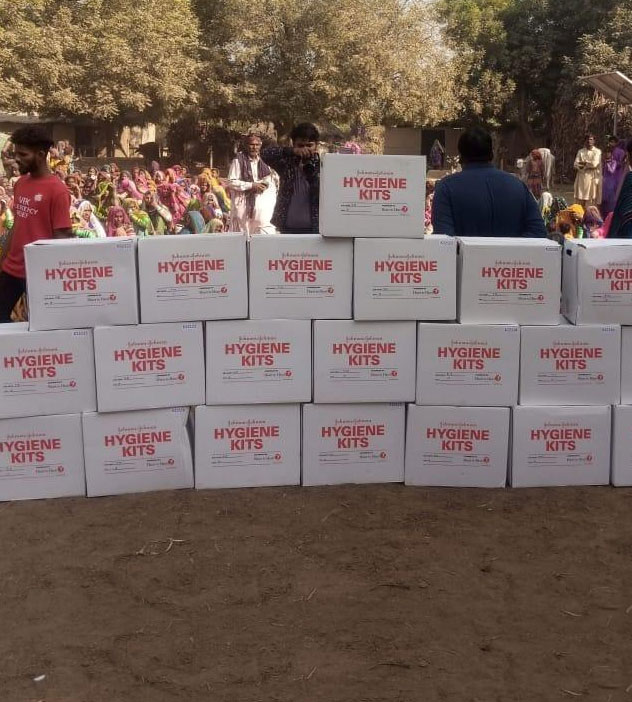
Pakistan’s 2022 monsoon season produced catastrophic levels of rainfall causing devastating floods and landslides and impacting…
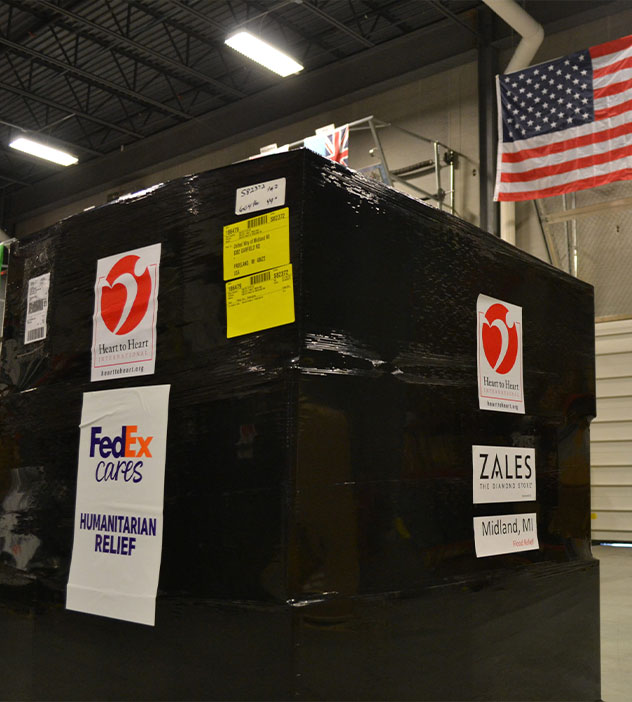
Heart to Heart International is sending relief to those impacted by record flooding in Michigan. The floods have surpassed a high point of 33.9 feet…

Severe weather and torrential rains have caused major flooding across Texas – killing more than a dozen people stranding thousands of drivers…
What this organization is doing for people in the US and all over the world is nothing short of amazing. Spending a few hours to volunteer was a great experience and I would definitely encourage everyone to find time to contribute!

I volunteer, along with others, who have a common goal. To help and support the staff as they organize then head out across the globe with hygiene kits, medicines and mobile clinics. When a request comes in for help from HHI, staff is ready and willing to help but it also takes many volunteers and donations to support this goal.
Great organization helping folks in the USA and wherever needed around the world.
I read a lot of news every day because I want to know what is going on around me and in the world. Being aware of the many disasters and injustices cf.an feel like a huge burden to carry. Volunteering at Heart to Heart gives me the sense that I am helping in a small way and I’m not just involved with my own stuff.
As I’m aging, I realized how blessed I’ve been in so many ways. In my younger years, I worked a lot with the homeless community. As I’m aging I wanted to still give back to my community but do it closer to my home. I volunteered at Heart to Heart with a church group and decided I liked their mission. I’m just one person, but uniting with a group like Heart to Heart I can do so much more.
I feel so privileged to be able to help anyone in need. I’ve learned so much from people who are humbled by life’s struggles. As one person told me, “we’re all just one disaster from homelessness.” Every person should volunteer at least once in their life.
I love to provide quality time in service. Service is at the core of my being. My parents taught me when I was a child to never stop serving and loving people.
Volunteering helps me to feel that I am moving forward in a positive way and that my contribution has some purpose especially in these times of great hardship and suffering for so many people.
I love being able to do something for others especially in a real time of need. Serving fills my cup and blesses my heart. It never ceases to amaze me that in the middle of all the tragedy, those we serve always thank us for being there.
Volunteering reminds me that healing doesn’t always come in big moments; it often shows up in simple acts of kindness, shared humanity, and showing up for people when they feel forgotten. That’s why I’m proud to serve.
I volunteer with Heart to Heart in order to “pay back” for what I have received in that “giving in need” chain. Having been on the receiving end of a disaster, I know what it means to get that package of immediate needs, and am so, so thankful for those that make that happen. Just my small part in my volunteer journey to “give back”.
In October 2024 I was deployed with Heart to Heart to North Carolina following Hurricane Helene. On our last day there we were able to help a young woman by refilling her prescription medication that she had been unable to get. As I was saying goodbye, she told me that she was grateful we could help her as it was one less thing she had to do following this disaster. She was tearful and we gave each other a hug. It reminded me that even this small service can have a very positive impact on a person’s life.
Despite being a physician used to heal and help others, volunteering and helping people in very vulnerable situations has been extremely rewarding. Their appreciation and resilience in face of tremendous adversity is grounding and inspiring.
I volunteer with HHI because I believe in the organization’s founding principle of bringing volunteers together to serve a world in need.
My family has been on the receiving end for Hygiene Kits after natural disasters (major flood in Great Bend, KS and F4 tornado in Hoisington, KS). I know exactly how it feels to receive a Hygiene Kit when your personal items are gone. I am grateful, HHI gives me the opportunity to pay if forward!
Having lost all our possessions/home in a tornado, I have great empathy/sympathy for those thrust into disaster/loss. I was on the receiving side of immediate care and food, housing, and resources. I feel so privileged to be able to help anyone in need.
I hope the small amount I am able to give in some way improves the lives of those less fortunate. Your boots on the ground and the hygiene kits let others know we do care.
By helping to pack hygiene kits, or providing money to help purchase items for the kits or other needed products, my small donation can have a large impact for those who need the help.

Medical testing plays a vital role in delivering effective healthcare services. However, remote communities in Ghana face significant challenges due to limited access to laboratory diagnostics. To address this issue, Heart to Heart International has partnered with BD, a global leader in medical technology, and Millennium Promise, a nonprofit organization focused on disease diagnosis and prevention in Ghana. Our partners at Millennium Promise stated, ‘”The completion of the Laboratory Block marks a transformational step in healthcare delivery for the community.”
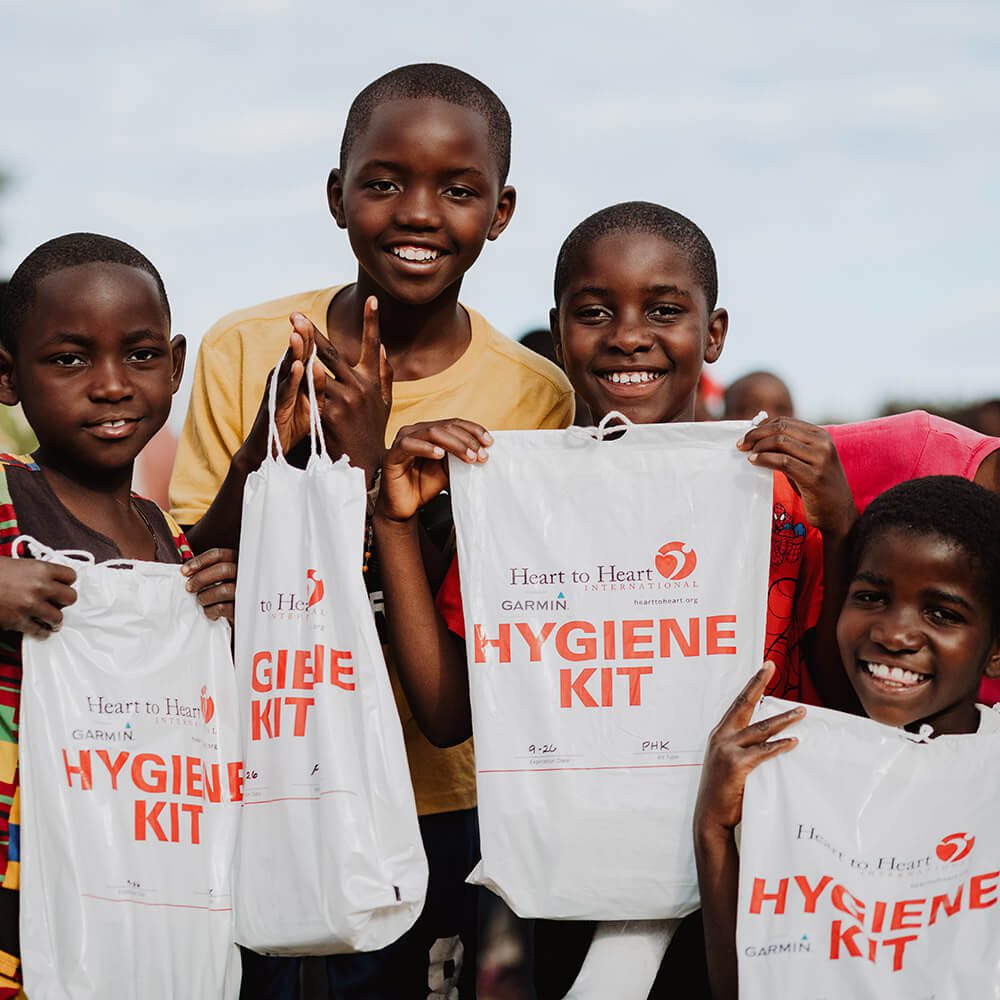
We distributed 8,000 Hygiene kits to 600 youth from the community. The items in the kits are considered a luxury to most of the community, (even basic soap and washcloth) so they were incredibly helpful in the aim to promote health and good hygiene for all of them. They were so happy! The health of these youth will be improved immensely! Every single recipient of the hygiene kits was so very grateful. One said to us “I can now feel good and keep clean, zikomo!”

Your loyalty helps us not to give up and gives us the feeling of a reliable shoulder to lean on.

Your donations of medicines and supplies sustain our clinic, supporting the most vulnerable children. Thank you!

If the only thing that was useful from your shipment was this wheelchair, it would’ve all been worth it because you changed this man’s life.” – Fundación Nueva Alegria in Dominican Republic

May I take this opportunity to thank the donors for saving my life. I was afraid I would die after the snake bite. The medical care was amazing.” – Tebenguni, a 15-year-old girl in Eswatini, who received life-saving care thanks to donated medical supplies.
Floods happen when water overflows onto land, caused by heavy rainfall, river overflow, storm surge, or melting snow. A flash flood is sudden, fast-moving, and extremely dangerous.
While individuals can’t control large-scale floods, communities can reduce risks through floodplain management, stormwater drainage systems, and wetland restoration. Homeowners can install sump pumps, maintain gutters, and landscape to improve water runoff.
Know your local flood risk, create an evacuation plan, and prepare an emergency kit. Move important belongings to higher ground, store documents in waterproof containers, and keep a battery-powered radio for alerts.
The 1931 China floods are considered the deadliest in recorded history, affecting over 50 million people and causing an estimated 1–4 million deaths due to flooding, famine, and disease.
The U.S. experiences frequent flooding due to heavy rainfall, hurricanes, rapid snowmelt, and inadequate drainage systems. Climate change has also increased the frequency of extreme weather events, leading to more severe flooding.
Get to higher ground immediately, avoid walking or driving in floodwater, and follow evacuation orders. Stay informed via weather alerts and have essential supplies ready.
A flash flood develops rapidly, often in minutes or hours after intense rain or dam breaks, with little warning. A standard flood develops more slowly and can last days or weeks.
Watch for rapidly rising water, overflowing rivers, water pooling in unusual areas, and alerts from weather agencies. In flash flood situations, water can surge suddenly without typical warning signs.